


As the crisp air begins to bite and the first flakes of snow dust the mountain peaks at Holiday Mountain, it’s time to shake off the summer cobwebs and prepare for an exhilarating ski season. Whether you’re an expert carving through moguls on Hackledam or a beginner finding your snow legs at the Learning Center, getting ready for the slopes is key to maximizing your enjoyment and safety. But where do you start? Fear not! In this article, we’ll unveil the 10 essential steps every skier needs to follow to gear up like a pro. From tuning your equipment to honing your fitness, these must-do prep tasks will not only elevate your skills but also ensure you’re fully equipped to embrace the winter wonderland ahead. So, grab your gloves and get ready—your best ski season yet is just around the corner!
Understanding the Ski Season: What to Expect
As the leaves turn and temperatures plummet, the anticipation of ski season mounts for winter sports enthusiasts. The ski season in the lower Catskills typically spans from mid-December to late March, though this can vary based on your location and the weather patterns of the year. During this time, ski resorts transform into bustling hubs of activity, filled with families, thrill-seekers, and snow lovers alike. It’s a season marked by exciting events, competitive races, and a shared love for the snowy slopes.
Understanding what to expect during the ski season is crucial for planning. Resorts often have their own unique schedules, with some opening earlier than others and hosting special events or peak times that might affect your visit. Familiarizing yourself with the resort’s calendar can help you avoid the crowds or join in on the festivities, depending on your preference. Additionally, being aware of the typical weather patterns can inform your preparations, ensuring you’re equipped for varying conditions.
Preparation is key to enjoying the ski season to its fullest. This means not only understanding the timing and activities but also knowing the terrain and facilities available at your chosen resort. Different mountains offer different challenges, from gentle beginner slopes to daunting black diamond trails. Researching these aspects allows you to plan your days effectively, maximizing your time on the slopes while ensuring safety and enjoyment.
Choosing the Right Ski Gear: A Comprehensive Guide
Selecting the appropriate ski gear is a fundamental step in preparing for the ski season. The right equipment can significantly enhance your performance and comfort on the slopes. If you’ve been following us on Facebook & Instagram, you would’ve seen our adventures highlighting the variety of ski & board shops throughout the region. These shops offer expert advice in all things winter sports.
Start with your skis. The type of skis you need depends on your skill level and the kind of terrain you intend to tackle. Beginners might prefer all-mountain skis that offer versatility, while seasoned skiers might opt for specialized models designed for powder, carving, or freestyle skiing.
Your boots are equally important. Ski boots should fit snugly without being uncomfortable, as they are crucial in transferring your movements to the skis. Ill-fitting boots can lead to poor control and a less enjoyable experience. When trying on boots, wear the ski socks you plan to use on the slopes to get an accurate fit. Pay attention to the flex rating of the boots, which indicates their stiffness; beginners might prefer a softer flex for comfort, while advanced skiers might choose stiffer boots for better control.
In addition to skis and boots, other essential gear includes poles, helmets, goggles, and appropriate clothing. Poles should be the right length to support your technique and balance. Helmets are a must for safety, protecting your head from potential impacts. Goggles shield your eyes from the sun’s glare and the wind, ensuring clear vision. Clothing should be layered, waterproof, and breathable to keep you warm and dry throughout the day. Investing in quality gear suited to your needs can make all the difference in your skiing experience.
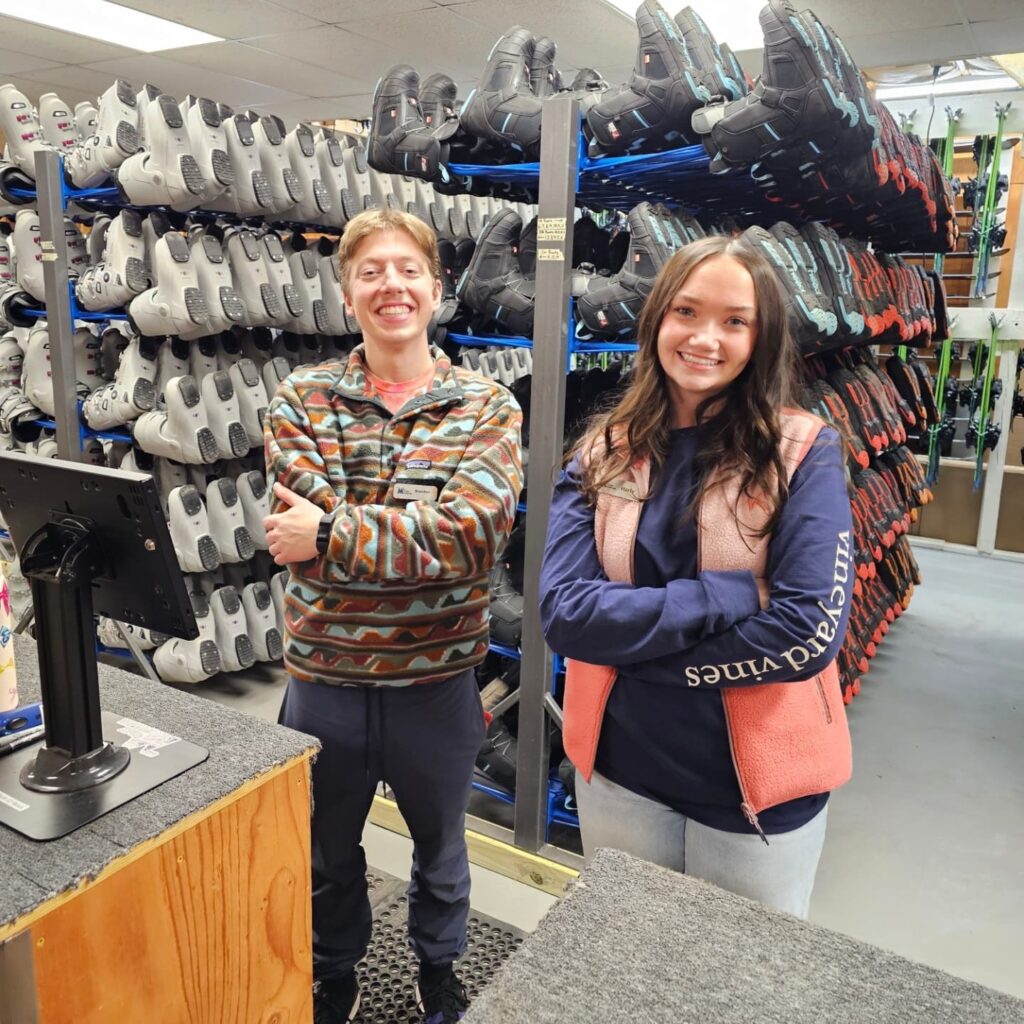
If you want to rent equipment, Holiday Mountain offers different equipment packages at their lodge. Check them out here.
Essential Ski Equipment Maintenance Tips
If you own your equipment, maintaining it is crucial for both performance and safety. Regular maintenance ensures that your gear is in top condition, ready to tackle the slopes without any issues. Start with your skis. They need to be regularly waxed to maintain their glide and protect the base. Waxing is a straightforward process that you can do at home with the right tools, or you can have it done professionally at a ski shop. It’s also important to check the edges of your skis, ensuring they are sharp and free from rust or nicks.
Bindings are another critical component that should not be overlooked. They need to be adjusted correctly to match your weight, skill level, and skiing style. Incorrectly set bindings can lead to either premature release or failure to release during a fall, both of which can be dangerous. If you’re unsure about how to adjust your bindings, it’s best to have a professional do it for you. Additionally, periodically checking the screws and overall condition of the bindings can prevent any mishaps on the mountain.
Your boots also require attention. After each day on the slopes, it’s a good idea to dry them out completely to avoid any moisture buildup, which can lead to mold and unpleasant odors. Boot dryers can be handy for this purpose. Inspect the liners for wear and tear and ensure that the buckles and straps are functioning correctly. Taking the time to maintain your equipment not only extends its lifespan but also ensures that you have a safe and enjoyable skiing experience.
Preparing Your Body: Fitness Tips for Skiing
Skiing is a physically demanding sport that requires strength, endurance, and flexibility. Preparing your body for the ski season is essential to maximize your performance and reduce the risk of injury. A well-rounded fitness regimen tailored to skiing can make a significant difference when you hit the slopes.
Start with cardiovascular exercises to build your stamina. Activities like running, cycling, and swimming are excellent ways to increase your aerobic capacity. Aim for at least three cardio sessions per week, gradually increasing the intensity and duration as you get closer to the ski season. This will help you maintain energy levels and recover more quickly between runs.
Strength training is equally important. Focus on exercises that target your lower body, core, and upper body. Squats, lunges, and deadlifts are great for building leg strength, while planks, Russian twists, and leg raises can enhance your core stability. Don’t forget your upper body; exercises like push-ups, pull-ups, and rows will ensure you have the strength needed for pole planting and overall balance. Incorporating resistance training two to three times a week can prepare your muscles for the demands of skiing.
Flexibility and balance are also key components of ski fitness. Incorporate stretching and mobility exercises into your routine to improve your range of motion and prevent stiffness. Yoga and Pilates are excellent choices, as they combine stretching with core strengthening and balance work. Spending time on these aspects of fitness can enhance your agility and coordination on the slopes, leading to a more enjoyable and injury-free season.
Planning Your Ski Trip: Accommodation Considerations
Look for resorts that provide everything you need. Proximity to the slopes is another important factor, offering the convenience of close access to the mountain, saving you time and effort each day. Near Holiday Mountain, there are many options for accommodations. From the Kartrite Resort & Indoor Water Park to Foster Supply Hospitality Boutique Hotels and the Riverfront AirBNB Ski Chalet to Resorts World Catskills.
Once you’ve chosen your destination, it’s time to book your accommodation. There are various options available, ranging from luxury hotels and cozy chalets to budget-friendly lodges and vacation rentals. Consider your budget, the size of your group, and the amenities you value most. Booking early can help you secure the best deals and availability, especially during peak season. By carefully planning your destination and accommodation, you can set the stage for a memorable and hassle-free ski trip.
Understanding Ski Resort Etiquette and Safety
Adhering to ski resort etiquette and safety guidelines is essential for ensuring a pleasant and secure experience for yourself and others on the slopes. Holiday Mountain takes the safety of our guests very seriously.
Skiing is a communal activity, and respecting the rules and norms of the mountain can help prevent accidents and conflicts. Start by familiarizing yourself with the Skier’s Responsibility Code, which outlines the fundamental principles of conduct on the slopes.
One key aspect of ski etiquette is maintaining control at all times. Ski within your ability and be aware of your surroundings, adjusting your speed and direction to avoid collisions. Yield the right of way to those below you on the slope, as they have the primary right to choose their path. When merging onto a trail or starting from a stop, look uphill to ensure it’s clear before proceeding. These practices help maintain a safe and predictable environment for everyone.
Safety is paramount, and there are several measures you can take to protect yourself and others. Always wear a helmet and other protective gear, and keep your equipment in good condition. Stay hydrated and take breaks as needed to avoid fatigue, which can impair your judgment and reaction time. Be aware of changing weather conditions and adjust your plans accordingly. In case of an accident, know the location of the nearest ski patrol station and carry a basic first aid kit. Prioritizing safety and etiquette ensures a positive experience on the mountain for all. You can find all of Holiday Mountain’s Safety & Policies here.
Packing Essentials: What to Bring for a Successful Ski Trip
Packing for a ski trip requires careful planning to ensure you have everything you need for a comfortable and enjoyable experience. Start with the basics: skis, boots, and poles. If you don’t own your equipment, make arrangements to rent them at your destination. Don’t forget your helmet, goggles, and gloves, as these are essential for safety and comfort on the slopes.
Layering is key to staying warm and dry in varying weather conditions. Pack thermal base layers, insulating mid-layers, and waterproof outer layers. Look for materials that wick moisture away from your skin, keeping you warm and dry. Don’t forget accessories like a neck gaiter, hat, and extra socks. It’s always a good idea to pack a few hand and foot warmers for those especially cold days.
Beyond skiing attire, consider what you’ll need off the slopes. Comfortable clothing for après-ski activities, swimwear for the hot tub or pool, and casual footwear are all important. Pack toiletries, medications, and a basic first aid kit. Electronics like your phone, camera, and chargers are essential for capturing memories and staying connected. Finally, don’t forget your travel documents, lift tickets, and any necessary reservations. With a well-thought-out packing list, you’ll be prepared for all aspects of your ski trip.
Weather Considerations: How to Dress for Skiing Conditions
Dressing appropriately for skiing conditions is crucial for comfort, performance, and safety on the slopes. The weather in the mountains can be unpredictable, with conditions changing rapidly throughout the day. Understanding how to dress in layers allows you to adjust to these changes and stay warm and dry.
Start with a moisture-wicking base layer that fits snugly against your skin. This layer is designed to keep you dry by drawing sweat away from your body. Avoid cotton, as it retains moisture and can leave you feeling cold and damp. Synthetic or merino wool materials are ideal choices for base layers.
The mid-layer provides insulation and should trap heat while allowing moisture to escape. Fleece jackets, down vests, and synthetic insulated jackets are popular options. Depending on the temperature, you might choose to wear one or multiple mid-layers. Finally, the outer layer protects you from the elements. A waterproof and windproof ski jacket and pants are essential for shielding you from snow, wind, and rain. Look for breathable fabrics that allow moisture to escape while keeping the elements out. Adjustable features like cuffs, hoods, and ventilation zippers can enhance comfort and versatility.
Accessories play a critical role in keeping you warm and protected. A good pair of ski gloves or mittens, a helmet, and goggles are essential. Consider bringing a neck gaiter or balaclava to protect your face from the wind and cold. Dressing in layers and choosing the right materials can make all the difference in your skiing experience, ensuring you stay comfortable and focused on the slopes.
Ski Lessons: Why They’re Important for All Skill Levels
Whether you’re a novice or an advanced skier, taking ski lessons can significantly enhance your skills and enjoyment on the slopes. Holiday Mountain offers both private and group lessons. Find out more here and purchase your lessons online. Professional instructors offer valuable guidance and feedback, helping you refine your technique and build confidence. Ski lessons are especially important for beginners, providing a solid foundation in the basics of skiing, such as proper stance, turning, and stopping. Starting with lessons can prevent the development of bad habits and reduce the risk of injury.
For intermediate and advanced skiers, lessons offer the opportunity to tackle more challenging terrain and improve specific aspects of your skiing. Instructors can introduce you to advanced techniques, such as carving, mogul skiing, and off-piste skiing. They can also provide tips on navigating different snow conditions and terrain features. Even experienced skiers can benefit from a professional’s perspective, as small adjustments to technique can lead to significant improvements in performance.
Ski lessons also offer a social and supportive environment, where you can meet fellow skiers and share the learning experience. Group lessons provide a cost-effective way to receive instruction, while private lessons offer personalized attention and a tailored approach to your goals. Investing in ski lessons can elevate your skills, boost your confidence, and enhance your overall enjoyment of the sport.
Conclusion: Enjoying a Safe and Fun Ski Season
As you prepare for the upcoming ski season, following these essential steps can ensure a safe, enjoyable, and memorable experience on the slopes at Holiday Mountain. Understanding the ski season and choosing the right gear sets the foundation for success. Regular maintenance of your equipment and a dedicated fitness regimen prepare you physically and mentally for the demands of skiing. Thoughtful planning of your destination and accommodation, along with adhering to ski resort etiquette and safety guidelines, enhances your overall experience.
Packing wisely and dressing appropriately for varying weather conditions ensures you stay comfortable and focused on the slopes. Taking ski lessons, regardless of your skill level, provides valuable insights and boosts your confidence, allowing you to tackle new challenges with ease. By following these ten must-do steps, you can approach the ski season like a pro, ready to embrace the winter wonderland and create lasting memories.
So, as the first snowflakes begin to fall and the trails start glistening with fresh powder, gear up and get ready for the adventure that awaits. With careful preparation and a positive mindset, this ski season could be your best one yet. Enjoy the thrill of the descent, the camaraderie of fellow skiers, and the beauty of the snowy landscape. Here’s to a fantastic ski season at Holiday Mountain filled with fun, excitement, and unforgettable moments on the slopes!